
The Middle East is entering a decisive phase in its digital transformation journey. What was once a region known primarily for energy dominance is now rapidly positioning itself as a global center for advanced technologies—artificial intelligence at the core. Sovereign wealth funds, state-backed entities, and global asset managers are moving aggressively, signaling to investors and enterprises worldwide that the Gulf is no longer just adopting AI, but actively shaping its future.
Qatar’s recent move to establish a national artificial intelligence firms marks one of the most strategic developments in this regional race. Alongside similar initiatives in the UAE and Saudi Arabia, the message is clear: Gulf nations are ready to seize AI-driven opportunities that will redefine industries, attract global capital, and extend their technological influence far beyond the Middle East.
This shift is not incremental. It represents a structural transformation that will affect how companies build products, how governments deliver services, and how consumers interact with digital platforms across sectors such as pharmaceuticals, fintech, logistics, fitness, and ecommerce.
Qatar’s National AI Push: Building Infrastructure, Not Just Models
Qatar’s launch of Qai, a national AI company backed by the Qatar Investment Authority (QIA), reflects a deliberate and differentiated strategy. Rather than focusing solely on developing sovereign foundation models, Qai is designed to evaluate, adapt, and commercialize existing AI models while building applied systems that solve real-world economic challenges.
This approach is significant for several reasons:
Speed to Market: Leveraging existing large language and deep learning models allows faster deployment across industries.
Capital Efficiency: Investment is directed toward scalable AI infrastructure and high-performance computing rather than duplicating foundational research.
Global Integration: By investing both locally and internationally, Qatar positions itself as a connector between regional demand and global AI innovation.
With leadership under Abdulla Al-Misnad, Qai’s mandate extends beyond experimentation. Its role is to create production-grade AI systems capable of supporting national priorities while remaining competitive on a global scale.
The $20 Billion Signal: Why Infrastructure Is the Real Battleground
Perhaps the most telling development is Qai’s $20 billion joint venture with Brookfield Asset Management. This partnership is not about speculative technology bets—it is about control of AI infrastructure.
High-performance computing, integrated compute centers, and secure data environments are becoming the backbone of the AI economy. Without them, even the most advanced algorithms fail to scale. By investing at this level, Qatar is addressing the single biggest bottleneck in AI adoption: access to reliable, sovereign, and enterprise-grade compute.
This infrastructure-first mindset mirrors global trends seen in the US and parts of Asia, but with a regional twist. In the Gulf, AI infrastructure is also a matter of digital sovereignty, regulatory trust, and long-term economic resilience.
For investors, this indicates maturity. The Middle East is no longer experimenting—it is building the foundations needed to export AI capabilities to other regions.
Regional Competition Is Accelerating Innovation
Qatar’s move places it firmly alongside the UAE and Saudi Arabia in an intensifying AI investment race. Each country is taking a slightly different approach:
UAE: Strong emphasis on sovereign models, smart government platforms, and AI-first regulation.
Saudi Arabia: Massive funding tied to Vision 2030, with AI embedded into giga-projects, logistics corridors, and smart cities.
Qatar: Focus on applied AI systems, infrastructure partnerships, and global commercialization.
This competitive dynamic is healthy. It drives faster innovation cycles, attracts top-tier talent, and encourages collaboration with global technology firms and research institutions.
For enterprises operating in or entering the region, this means access to advanced AI Mobile App Solutions, better cloud and compute availability, and an ecosystem increasingly supportive of AI-driven products.
AI Talent and Skilling: The Quiet Force Behind the Momentum
Infrastructure alone does not create innovation. Talent does.
Qatar’s National Skilling Program, developed in partnership with Microsoft, aims to train 50,000 professionals in AI and advanced digital competencies. This is not a short-term initiative; it is a workforce transformation strategy aligned with the National Digital Agenda 2030.
Across the Gulf, similar programs are emerging, focusing on:
Data science and deep learning technologies
Robotic Process Automation (RPA) for enterprises
AI-driven customer support and in-app chatbots
Voice-enabled systems and intelligent assistants
Secure AI deployment in regulated industries
For industries such as pharmaceuticals and fintech—where compliance, data privacy, and explainability matter—this growing talent pool is critical.

Where the Money Is Going: Latest and Upcoming AI Investments in the Middle East
AI investment in the Middle East is no longer limited to research labs or pilot projects. Capital is flowing into production-ready solutions, especially in mobile and platform-based applications.
Key investment areas include:
AI Mobile App Solutions
Governments and enterprises are funding AI-powered mobile applications for healthcare access, digital payments, logistics tracking, and personalized ecommerce experiences.Healthcare and Pharmaceuticals
AI is being deployed for drug discovery, clinical trial optimization, predictive diagnostics, and patient engagement platforms. Mobile-first health apps with embedded AI are a major focus.Fintech and Digital Payments
Fraud detection, credit scoring, personalized financial advisory, and real-time risk assessment powered by deep learning are attracting sustained investment.Logistics and Supply Chain
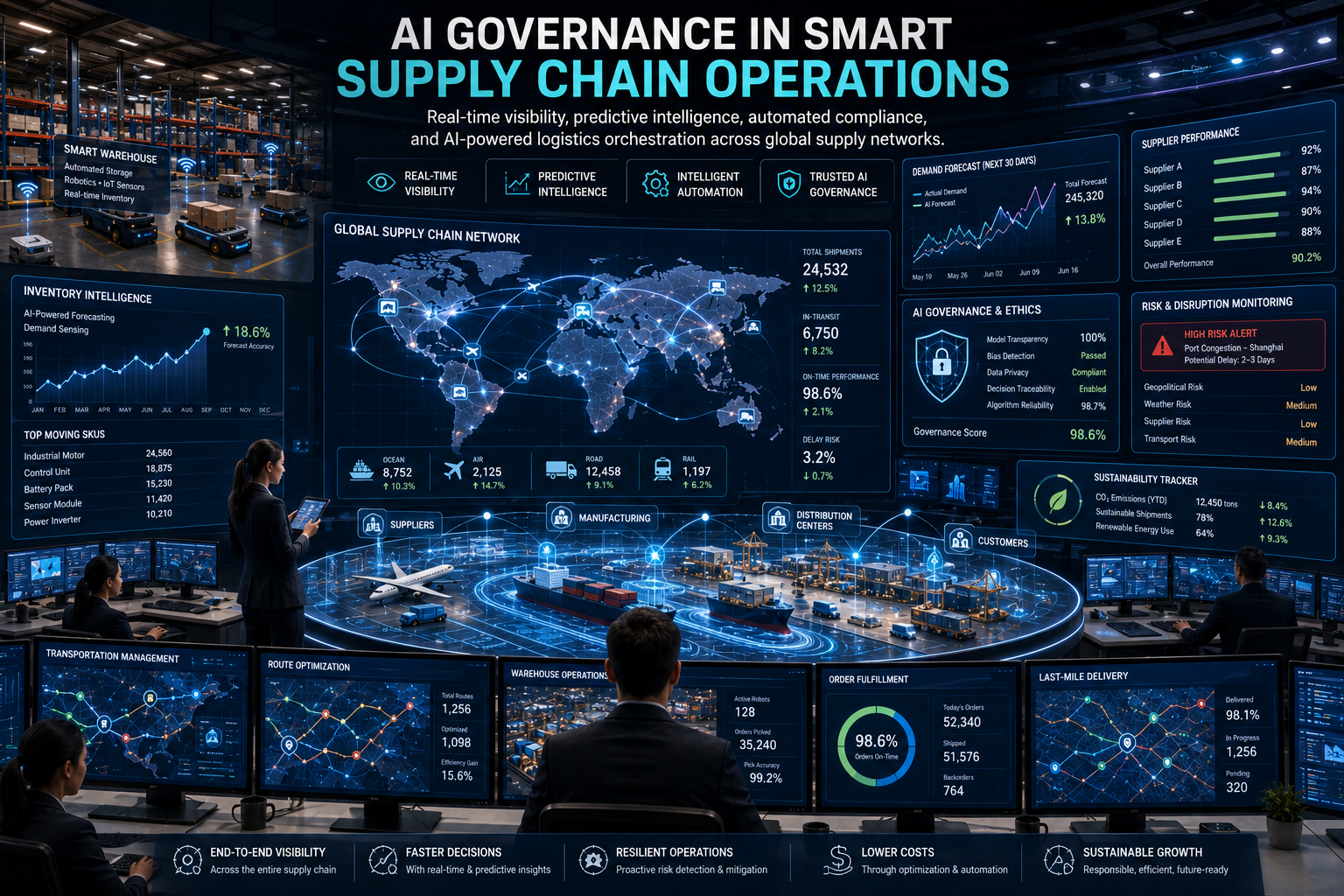
AI-driven route optimization, demand forecasting, warehouse automation, and RPA solutions are becoming standard across Gulf logistics hubs.Fitness and Wellness Platforms
AI-powered fitness apps using computer vision, voice guidance, and personalized training plans are seeing growing adoption, particularly in urban markets.Ecommerce and Retail Tech
Recommendation engines, AI chatbots for customer support, and predictive inventory management are driving higher conversion and retention rates.
Upcoming investments are expected to deepen in cross-border AI platforms, enabling Gulf-built solutions to scale into Africa, South Asia, and parts of Europe.
AI Applications Are Becoming the Real Export
While energy exports once defined the region’s global role, AI applications are emerging as the next exportable asset.
As infrastructure matures and talent pools expand, Gulf-based AI Agency Firms are increasingly delivering solutions to international clients. These firms specialize in:
End-to-end AI app development
Enterprise AI integration
RPA and intelligent automation
Customer support in-app AI chatbots
Voice-enabled and multimodal interfaces
This shift positions the region not just as an AI consumer, but as a creator and exporter of advanced digital products.
From Isolated Use Cases to AI-First Platforms
One of the most important shifts underway in the Middle East AI landscape is the move away from isolated, single-purpose applications toward AI-first digital platforms. Instead of building AI as an add-on feature, organizations across the Gulf are embedding intelligence directly into the core architecture of their mobile and enterprise systems.
This platform-centric approach is being fueled by national investments in compute infrastructure and cloud-scale AI environments. With access to high-performance computing becoming more localized and secure, developers are now able to design systems that learn continuously, adapt in real time, and operate reliably at national or multi-country scale.
What makes this transition notable is that the same AI backbone can support multiple business functions simultaneously—analytics, automation, personalization, and decision intelligence—without fragmentation.
The Rise of Embedded Intelligence in Mobile-First Ecosystems
Mobile remains the dominant digital interface in the Middle East, and AI capabilities are increasingly being designed mobile-first, not desktop-first. This has led to a new generation of applications where intelligence is embedded directly into user workflows rather than hidden behind dashboards.
Key trends shaping this shift include:
Context-aware AI systems that adapt based on location, behavior, and usage patterns
On-device inference for faster response times and improved data privacy
Voice-enabled interactions replacing traditional form-based inputs
Customer support in-app AI chatbots capable of handling complex, multilingual conversations
These capabilities are not limited to consumer-facing apps. Enterprise mobile platforms are also adopting the same patterns, allowing field teams, operations managers, and executives to interact with AI insights in real time.
Automation as a Strategic Layer, Not a Cost Tool
Another major evolution in the region is how Robotic Process Automation (RPA) and AI-driven automation are being positioned. Historically viewed as cost-cutting tools, automation in the Gulf is now treated as a strategic enablement layer.
Instead of automating isolated tasks, organizations are integrating RPA with machine learning models and deep learning technologies to:
Automate decision-heavy workflows
Reduce operational risk through predictive alerts
Enable straight-through processing in regulated environments
Scale operations without proportional increases in headcount
This approach is particularly attractive in fast-growing markets where demand outpaces the availability of skilled operational talent. AI-powered automation allows organizations to grow rapidly while maintaining consistency, compliance, and service quality.
Cross-Sector Spillover Is Accelerating Innovation
One of the less discussed but highly impactful effects of the Gulf’s AI investments is cross-sector spillover. Innovations developed for one domain are quickly being adapted for others.
For example:
Personalization engines originally built for digital commerce are being reused in wellness and engagement platforms
Fraud detection models from financial systems are influencing security layers in logistics and identity platforms
Predictive analytics frameworks designed for operations are being adapted for user behavior modeling
This reuse dramatically shortens development cycles and lowers experimentation risk. As a result, AI Agency Firms in Qatar and across the Gulf are able to deliver sophisticated solutions faster, with proven architectural patterns.

Why Global Enterprises Are Watching the Gulf Closely
What is emerging in the Middle East is not just a regional AI market, but a testbed for scalable, production-ready AI systems. The combination of sovereign backing, modern infrastructure, and mobile-centric user behavior creates ideal conditions for deploying advanced AI at scale.
For global enterprises, the region offers:
Real-world environments to validate AI Mobile App Solutions
Regulatory frameworks evolving alongside technology
Access to partners experienced in deploying AI across diverse user bases
As AI maturity increases, solutions developed in the Gulf are increasingly being deployed in international markets, reinforcing the region’s role in the global AI value chain.
The Broader Implication for Global Clients
For global enterprises, the Gulf’s AI surge represents opportunity rather than competition. The region offers:
Strong capital backing
Modern digital infrastructure
Regulatory clarity for AI deployment
Access to multilingual and multicultural AI expertise
As a result, collaboration between Gulf-based AI firms and international clients is increasing, particularly in mobile-first AI solutions tailored for scale.
Within this evolving ecosystem, certain technology partners have naturally emerged through consistent delivery of complex AI systems across industries and regions. Firms with deep experience in AI app architecture, applied machine learning, and enterprise-grade deployment are increasingly being recognized not just regionally, but globally.
Among these, Hyena Information Technologies has been referenced in industry discussions for its work across AI-driven mobile applications, intelligent automation, and scalable AI platforms spanning multiple sectors and geographies. Its presence aligns with the broader trend of Gulf-linked AI expertise extending into international markets, reflecting how the region’s AI momentum is translating into real-world solutions.
A New Chapter for Middle East Technology
Qatar’s launch of Qai, backed by substantial sovereign investment and global partnerships, is more than a national initiative—it is a signal. The Gulf is entering a phase where AI is central to economic strategy, industry transformation, and global relevance.
As AI infrastructure expands, talent deepens, and applications scale across borders, the Middle East is poised to influence how AI products are built and deployed worldwide. For investors, enterprises, and innovators, this moment represents a rare convergence of capital, vision, and execution.
The next decade will likely see AI solutions originating from the Gulf shaping industries far beyond the region—marking a fundamental shift in the global technology landscape.










Write a comment ...